Title Bar Crystal Recovery (dot) com

NEWS & INFO


MRS SHOWS METH USER BRAIN DAMAGE


Your Brain on Ice: Brain Damage Found in Amphetamine Users

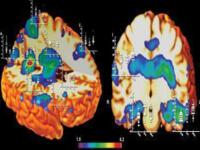
MRS brain scans of former methamphetamine users reveal evidence of cell damage in the right frontal region of their brains even months after they stopped using the drugs.

By Shawna Vogel
B O S T O N, March 27, 2000

For the first time, brain scans of people who used methamphetamines, also known as crank, ice, speed, or crystal meth, show that the drugs damage brain cells and that this damage persists even months after people stopped using them.

The study appeared in Neurology.

“This is an extremely important study,” said Dr. Alan Leshner, director of the National Institute on Drug Abuse. “In the old days we used to talk about the brain on drugs with inexact metaphors like eggs in frying pans. Here you’ve got brain scans of living breathing individuals and what are the consequences. They are very vivid and candidly upsetting findings.”

Crank Coming Back

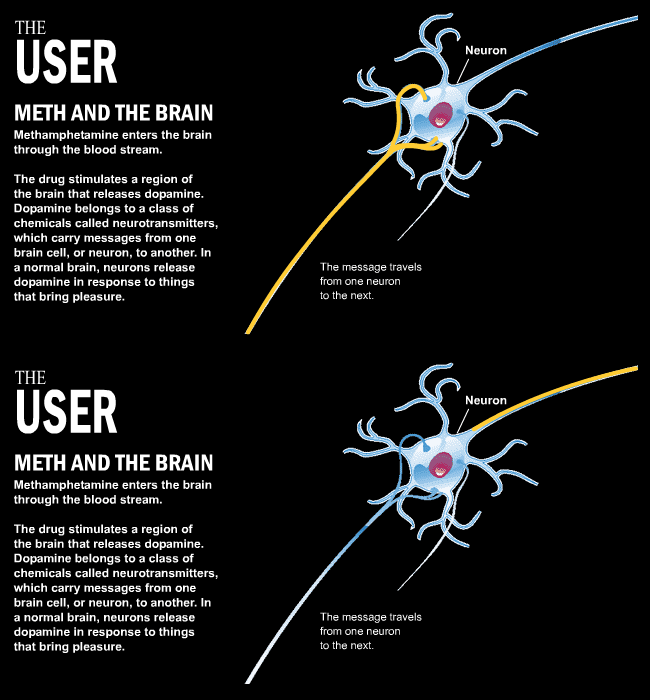
Methamphetamine, a stimulant, is a drug that has been used since the 1960s. Over the last decade, methamphetamine, which can be smoked, snorted or injected, has been marching back into popularity in several regions of the United States. “It has gone from being concentrated in the Southwest,” says Leshner, “up the West Coast to the Midwest” where, he says, there is now “nothing short of a methamphetamine crisis.” A 1996 survey found that nearly five million Americans have used methamphetamine at some time in their lives — up from roughly 3.8 million in 1994. Tests in animals have shown that high doses of methamphetamine damages brain tissue. And recent studies demonstrate that methamphetamine users may have lower levels of dopamine, an important chemical for brain function.

Evidence of Hurt Brain Cells

In this study the researchers found evidence not only of chemical changes, but damage to the cells themselves. They did so by looking at a brain chemical called NA, or N-acetyl-aspartate, which is found inside neurons. If NA levels are low, that’s a sign that neurons are either lost or damaged. Prior studies have shown low levels of NA in people with Alzheimer’s disease, multiple sclerosis and several other brain diseases. Using a brain scan called proton MRS, or magnetic resonance spectroscopy, the researchers compared NA levels in 26 methamphetamine users and 24 people with no history of drug use. Methamphetamine users showed a five-to-six percent reduction in NA compared to non-users. “NA is only present in neurons and neurons are the cells in the brain that people use to think,” said lead researcher Thomas Ernst, an assistant professor of radiology and neurology at the Harbor-UCLA Research and Education Institute in Torrance, California. “What our study implies is that there is damage to neurons or loss [of these brain cells] to the user, which is not good.”

Damage Persists

“It’s important to realize,” Ernst said, “that the people we looked at in the study had not used methamphetamines for an average of four months, and we still saw significant damage to the NA.” Studies in rhesus monkeys have shown that brain damage from methamphetamine persists up to four years. In addition, the more methamphetamine Ernst’s subjects had used during their drug careers, the more damage he saw. The study does not show whether this damage affects the way methamphetamine users think or behave. But it’s well known that former methamphetamine users often have lingering behavioral problems, including paranoid psychosis, depression and memory lapses. “What’s significant here,” said Leshner, “is that the changes [seen by Ernst] are exactly in brain areas that could account for the behavioral changes.” In addition, Leshner said that unpublished data funded by his agency demonstrates that former users with the largest behavioral problems do indeed have the most damage. “With everything else,” said Leshner, “this should be a warning to people that they are taking a risk.”

Children’s Doses Safe

Drug researchers hasten to point out that even though methamphetamine is used to treat attention deficit hyperactivity disorder in children, the therapeutic doses for ADHD as well as other disorders like narcolepsy are only a hundredth of the daily amounts taken by the lightest users in the study. “I don’t want people to think because of this study that children who are taking methamphetamine are being exposed to brain damage,” said Charles R. Schuster, director of the division on substance abuse at Wayne State University in Detroit and a former director of the National Institute on Drug abuse. In his own research on animals, Schuster said, “we gave low doses [of methamphetamines] for months and months and months and still didn’t produce an effect, whereas with high doses we could produce it with one injection.” Ecstasy, is a synthetic drug that is structurally similar to methamphetamine and the hallucinogen mescaline, but it has different effects on the brain.

Return to NEWS & INFO Index