Title Bar Crystal Recovery (dot) com
Live chat by Boldchat

CRYSTAL MYTH - The BIG LIE drug!


Is Faster Better?

A basic premise in North America is that faster is better. From instant tea to TV dinners, & superfast computers; if there's a way to do something faster, we'll figure out how to do it, and not miss a beat — or a coffee break — in the bargain.

That's a big reason why stimulant drugs hold so much fascination for us all.

Speed seems as natural as mom and apple pie — maybe even more so, since today mom is on a diet and the only apple pie in town is made by machines.

But speedy drugs aren't Mom's apple pie, not by a long shot. They're a complex group of chemicals with one thing in common: They can cause all sorts of problems for people who take them — and all kinds of people are taking them these days.

And not only are more people using speed, they're also using its most hyper charged form — crystal meth — and some are running into problems they never expected.

Sometimes what you don't know can hurt you!
And that's true times two when what you don't know about is speed.
And it's truer, still, when the speed you don't know about is crystal meth.

Points to Ponder:

Before we say anything about crystal and other forms of "real" speed, though, we'll do something that might seem a little unusual, by lumping together all stimulants — controlled substances and everyday chemicals like caffeine — under the general classification of "real" speed.

If that sounds funny (or morally-ambiguous) to you, we should explain that one basic property shared by all stimulants — prescription diet pills, over-the-counter stay-awake tablets, caffeinated colas or the overpriced Triple Mocha Latté at the local espresso bar — is their ability to rev up the action of neurons in the central nervous system.

They all do it in similar ways, too.

In fact, stimulants differ only to the degree that they act in the brain and the extent to which they affect behavior — increasing alertness and confidence (or anxiety), decreasing appetite and fatigue.

And while it's hard to find fault with wanting to eat less and stay awake more, wanting to do either behind a hit or two of prescription speed or crystal meth can be a bigger problem than being overweight or tired. Way bigger.

Crystal Myth:

The most potent form of speed available — with or without a prescription — is methamphetamine, A.K.A. crystal, crank, tweak, go-fast, and dozens of other names.

In medicine, it comes in tablet form, as the prescription drug, Desoxyn®.

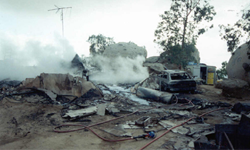
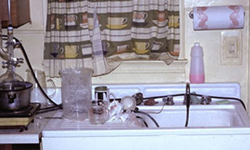
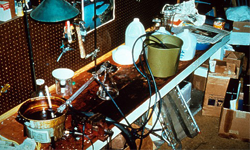
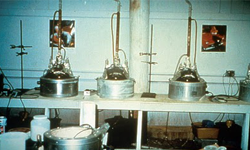
More often, though, it's cooked in makeshift labs and sold on the street as a powder, which is injected, snorted, or swallowed. A smokeable form of methamphetamine called “Crystal" is more common in Canada.

Widely available in the 1960's, crystal faded in the '70s, as controls were tightened on legal production, which reduced its diversion onto the black market.

But in the early '90s, crystal made an amazing comeback. And it's been back in a big way ever since.

The result? Crystal became a hot new high to a new 'Pepsi One' generation of users too young to know firsthand, or to have heard secondhand-the downside of uppers.

And what a downside they have. Risks are so extreme because the drug works so well at overamping the central nervous system and zapping feelings of hunger and fatigue.

The result is the same sort of physical stress that follows any extreme exertion-bungie jumping, for example, or skydiving.

But instead of giving the old body/mind a chance to chill between jumps (like any self-respecting bungie-jumping skydiver would do), crystal users extend speed "runs" for days or weeks, without food or rest, putting impossible demands on their bodies and brains.

For needle users, add in the hazards that come with injecting any drug. And for Crystal Meth (JIB, Ice) smokers, multiply it all by the still largely-unknown risk factor of exposing lung tissue to vaporized meth crystals.

It's not a big mystery...
why you don't run into many "old" speed freaks,
they often don't live long enough to "get old."

A.K.A. 'crank':

Know the big difference between crystal and crank?

"Crystal" has seven letters, "crank" only has five.

A term once used mostly to distinguish down-and-dirty bootleg meth from its crystal-clean sibling, "crank" has become a generic nickname for all forms of speed. And that includes the tablets and capsules that find their way out of the local pharmacy and onto the street.

At this point, we'll add other speedy drugs to the mix, including non-amphetamine prescription stimulants (like Ritalin® and phentermine), and such non-crystal forms of street speed as "white cross," and "black beauties."

Effects match up, in most ways, to the effects of crystal. Dangers are similar, too, although oral use carries fewer short-term risks, since the risk of lung or injection-site damage and overdose is reduced or eliminated.

Still, a speed habit of any kind is a hazardous hobby for a lot of reasons, including simple wear and tear on the body and mind.

In a lot of ways, the human body is like a Timex watch — built to take a licking and keep on ticking. Still, we aren't exactly indestructible. And speed, more than any other drug group, pushes the mind and body faster and further than either was meant to go.

The long-term physical toll can be massive, including any or all of the following:

Vitamin and mineral deficiencies.

Lowered resistance to disease.

Organ damage (particularly to the lungs, liver, and kidneys) after long-term use.

And as if the physical hazards aren't bad enough, there's a ton of mind-and-mood problems that speed can bring on, or worsen. Examples:

Anxiety, depression, and chronic fatigue.

Delusions. (Thinking you're being watched by enemies or police, for example -- unless you are being watched by the police, which is even worse.)

Toxic psychosis after prolonged, heavy use.

And that's still only part of the story, because amphetamines also cause a serious form of dependency, which means that giving up speed can be a difficult process. One reason why is that ex-users get depressed.

Life without Crystal Meth
goosing up the juice in the brain
can seem dull indeed,
to a suddenly-straight ex-speed freak.

Running on Empty:

The speed scene has undergone major changes over the past few years with the resurgence of crystal, the introduction of ice, and a renewed interest in stimulants as a medical treatment for obesity and attention-deficit disorder.

Not only that, but the definition of what speed is and what it isn't has been subject to a lot of revisions as lookalikes and act-alikes and legal herbal stimulants have come and gone and come around again.

But one thing hasn't changed and isn't likely to. That's the idea that overamping on speed — any type of speed — is a pretty risky way to live your life.

And while it may be stylish to look like you've never lusted after a leftover, and fatiguelessness might rank alongside cleanliness and godliness in your pantheon of personal values, you might also want to rethink your priorities if you think you need speed to put you where you want to be.

Because one other fact about speed that hasn't changed over the years is still the most important fact of all:

Speed kills!
And what it doesn't kill,
it burns out. Pass it on.

Getting Unstrung Out: How to Get Off Speed:

What if your interest in speed goes beyond simple curiosity? What if you already have a problem — or someone you care about has a problem? Begin by admitting the truth. It's hard to overcome anything until you recognize it for what it is. Then do something about it — or help the other person do something: Namely, quit.

Since the main pull amphetamines have on users is psychological, the biggest barrier you'll need to overcome is yourself. Here are two ways around common speed-recovery pitfalls:

Depression. Expect to feel more down than up, especially during the first few weeks or months. Just don't let depression surprise you or beat you. Recognize funky feelings for what they are, the effects of withdrawal, and keep on staying straight.

Anxiety. When you look at your life, you may find more to be bummed than buzzed about. Your body may carry some scars of speed use, either from disease or from general disrepair. Your head may be worse. Don't panic. The body and mind have a remarkable ability to heal themselves — especially if you help them along.

So do what you have to do to pull yourself back together. Find another way to generate the energy and excitement that you used to get from speed. See a doctor if you suspect health problems, and visit a treatment program if you think you can't do it alone. But do it — and keep it done.

And do it now. It's never going to get easier than it already is — and, sometimes, it gets a whole lot worse.

Crystal Meth Treatment:

Crystal meth treatment is in some ways less physically demanding on the recovering user because crystal meth treatment does not require a lot of detoxification. Crystal meth treatment consists mainly of addressing damaging emotional and behavioral patterns. The physical body need only process the last dosage taken before crystal meth treatment can begin; this usually takes about a day. Studies have shown that no pharmaceutical treatment is particularly effective for crystal meth treatment although in some cases antidepressants are administered if necessary. The most effective crystal meth treatments are therapeutic cognitive behavioral interventions.

Cognitive behavioral therapy means that a therapist speaks one on one or in a group setting with the crystal meth user to explore causes, symptoms and results of using crystal methamphetamine. Crystal meth treatment includes a personal examination of the events leading up to dependency on crystal meth.

A recovery centre should employ licensed medical doctors and drug counselors who walk the client through the journey of recovery in order to successfully live without drugs. The first several months are critical as the user comes to terms with life without the drug. This can be a time of obsession about using coupled with the shame and guilt that often accompanies the consequences of using crystal meth. Counselors will address the client's current situation and work together with the client to lay out a future plan that does not include drug use.

Another important part of successful crystal meth treatment is the introduction to the recovery community. This consists of the many people in 12 step programs who continue to successfully live without crystal meth and other drugs.

Crystal Meth Treatment: Residential Programs

Crystal meth usage has increased as more crystal meth labs have sprung up to meet the increased demand for the drug. Crystal meth, also known has speed, crank, ice and other names can be manufactured locally unlike other similar stimulants such as cocaine. A good treatment centre or home treatment facility can treat many people who have become addicted to crystal meth. Successful treatment for crystal meth addiction is founded on the principle practice of structured living. The primary purpose of structured living is to reestablish a life without crystal meth by retraining the mind & body to cope with daily living in constructive ways.

Crystal meth is a completely man-made drug that is created by combining various stimulants. Often crystal meth labs will take over-the-counter medications with derivatives of amphetamine and cook the drug with other elements to make a potent concentrated white powder. Crystal meth users can then smoke the powder, snort the powder or dilute the powder in water and inject it. Crystal meth stimulates the brains limbic system and dopamine receptors that cause a long lasting high. The high is different depend on how the drug is ingested. Smoking or injecting the drug causes an initial euphoric rush that snorting delivers to a lesser extent. The triggering of the brains reward system causes this rush. The brain, however, adapts to the influence of the drug immediately so that another "hit" or dose of crystal meth will have a lesser effect than the last. This process is called tolerance and is one of the indicators of addiction.

Tolerance helps explain why crystal meth users will often use the drug for long periods of time. Smoking a "hit" or "slamming" a needle every 1/2 hour more or less for hours or days one end. The drug removes the desire to sleep or eat as it speeds up the mind and body creating a state of anxiousness and hypersensitivity. Even small doses of crystal meth can cause feelings of paranoia and hallucinations. Users often report that the feel they are being watched by authority figures or see shadows moving nearby. Chronic usage of the drug causes damage to the brain and makes living a normal life exceedingly difficult.

Crystal meth users can find that they need help when they have lost their job or are unable to work. Perhaps loved ones and friends have become frustrated and demand the user seek help. Money problems continue to worsen with no relief in sight and legal difficulties become overwhelming.

A good residential program is equipped to treat crystal meth addiction and its inevitable consequences. It should be well established in the recovery community and practice strict 12-step principles to establish recovery. Live-in centers should offer a safe and comfortable environment where crystal meth users live with people who understand what living with addiction is like. Treatment homes should be accommodating and affordable compared to rehabilitation centers that usually only offer short-term residency stays. Beyond affordability is the effectiveness that structured living creates by removing influences that allowed for crystal meth use. These negative influences are replaced with positive, constructive new habits that reestablish a life without drugs.