Supporting Recovery for Methamphetamine Addiction.
24 Hour Crystal Meth Helpline 1-800-853-1387Who Answers?
»
- Home
- Recovery Preperation
Recovery Preperation
It's not easy admitting to yourself let alone anyone else that you have a problem with drugs and are in need of help. Anyone that does should be proud because even though it's your first step toward recovery, it's a hard one for most people. Once you have made up your mind that it's time to stop using meth there are important steps you need to take. You also have to be mentally prepared for the changes that need to take place in your life in order for your recovery from meth use to be successful.
Because methamphetamines are so addictive and dangerous not everyone should stop using meth on their own without professional medical help and treatment. Frequent or chronic meth addicts should never stop without professional help and guidance.
It doesn't matter the severity of your meth use, when you're home back in your surroundings important major changes need to be made to ensure a successful long term recovery from the use of methamphetamines. Occasional, frequent, and chronic meth users during recovery need to be prepared ahead of time for the changes that need to take place during recovery. Preparing yourself ahead of time makes recovery easier and prevents relapse.
Occasional Meth Use
You must understand that even occasional use of meth causes serious damage to your health. The chemicals used in producing meth are toxic and lethal so you must understand using meth even occasionally comes with health risks.
Physical Checkup
It's always a good idea to have a physical checkup to make sure your health is ok. Your physician will be able to help you with depression or anxiety that may be a problem for a while during abstinence. It's ok to be honest with your doctor about your occasional meth use, you won't be judged and your physician can also offer advice that will helpful during this time. During your recovery if it's harder than you thought it would be never hesitate talking with your physician, they want to see you succeed too.
Social Life and Friends
It doesn't matter whether you occasionally use meth or you're a frequent meth user you have to understand your social life is going to change. You will no longer be able to hang out with friends that are still using meth or any other substance. You may think you can handle being around friends that still use drugs or alcohol while your recovering from meth use, but I promise you it's almost next to impossible. You may even have to avoid places you've been while you were using meth. In time this will get easier but in the beginning people and places will trigger thoughts of drug use and cause relapse.
Drug Paraphernalia
Any drug paraphernalia you have lying around will need to go. You won't be able to have anything around you that reminds you of drug use. You've decided to make positive changes in your life now and any reminders will only lead to relapse.
Detox And Withdrawals
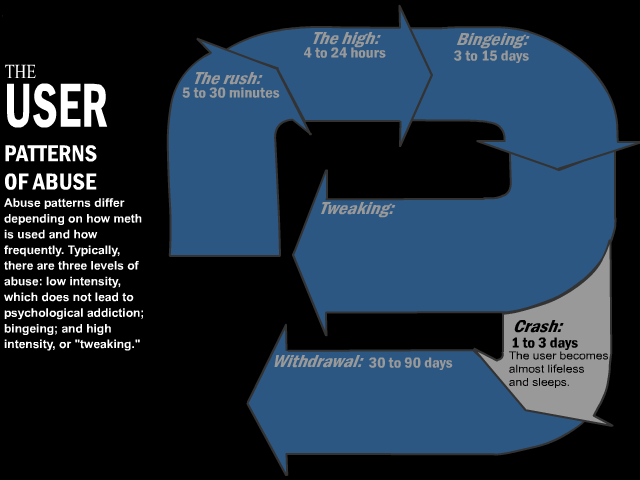
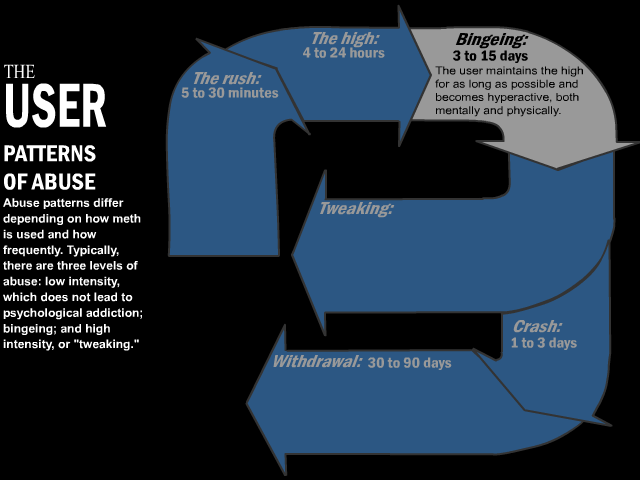
Detoxing from meth is no fun, a lot has to do with your health, how often you used meth, the method you used when doing meth, and how long you abused meth. Occasional meth users still have to prepare themselves for withdrawal. Anyone who uses meth more than once in a while will need to seek professional help when it comes to detoxification and withdrawal.
During this time you're probably going to be edgy, irritable and even question yourself about your decision to stop using. Prepare yourself for this ahead of time and have positive people and support around you. The people in your life that love and care about you are the ones you need during this time. If at any time withdrawal symptoms become unmanageable don't think twice, seek medical help.
Help and Support
Narcotics Anonymous: Not everyone is comfortable with group meetings but Narcotics Anonymous is a great place to seek guidance, advice, and group support for drug use and addiction. They don't care what type of drug is used, how often or how seldom a person used drugs; no one is judged in NA. Everyone there shares the same desire and that's to 'stop using'. Anyone who wants to stop using meth or any other drug and maintain sobriety is not only welcomed but receives all the support they need to successfully maintain abstinence and sobriety.
If support group meetings aren't what you're comfortable with, there are plenty of good recovery books that will be helpful during this time. Thousands of people have overcome their addiction to methamphetamines and other drugs and what they've learned will benefit you too.
Drug Counseling
This is another positive way of getting the help and support you may need during your recovery. Drug counselors know exactly how hard recovery can be and you're not telling them anything they haven't already heard before. Ask questions, drug counselors want to see you succeed and have a healthy safe recovery so never be afraid to open up to a counselor and ask questions. They can help you stay positive about your recovery and offer good advice concerning those hard times you are probably going to face. They can help you deal with stress, anxiety and negative thoughts you may have during hard times.
Prepare Yourself Ahead of Time to Stay Active
Idle times and weekends sometimes are the hardest. This is when you socialized and possibly used. It's important to stay active and over time it will get easier but in the beginning, it's the hardest. This is something you will want to think about when preparing for recovery. If you're unable to be active and you're mentally going through a hard time go to an NA meeting, get out that recovery book, or call a supportive friend. Just don't look back and don't give in. You have a lot to be thankful for, you made the right decision to stop using drugs before they destroyed your mind, body and life.
In the beginning of recovery some people have to take it one minute at a time but it definitely gets easier and better. You can and WILL recover from the use of meth because you're worth it!
Inpatient Treatment and Rehabilitation
Anyone who's used meth frequently is in need of a more intense drug treatment. When meth is used frequently addiction has already set in. Your health is much more at risk and the detoxification process isn't comfortable. If your health is an issue to begin with you definitely need professional help and guidance with detox and withdrawal symptoms.
Mental and Physical assessments are done to make sure there are no other mental issues that need to be addressed during recovery. It's very common for a frequent or chronic user of meth to have depression, anxiety, bipolar or other mental disorders that play a role in their addiction. All mental health areas need to be addressed and treated along with the drug addiction.
Inpatient treatment centers are designed to help all forms of addiction but they're necessary for chronic addiction. It's almost always critical for anyone recovering from chronic meth addiction to be away from their drug using environment. Intense programs are designed for each person individually to make sure they get the exact form of treatment needed for them specifically. Relapse prevention programs are also necessary and very effective.
Outpatient Treatment Programs
For those who are in need of detox and treatment but not as intense, outpatient treatment programs for meth addiction are beneficial for recovery. With outpatient drug treatment the individual is able to stay in their home and return for counseling, therapy and other forms of treatment for their dependency to meth. There are also Intense Outpatient Treatment Programs available for those who need more comprehensive treatment plan.
You have worked hard coming to terms with your meth addiction and you're working even harder to maintain abstinence. Preparing yourself ahead of time just makes recovery that much easier. It's understandable that some people recover from the use of meth easier than others. Stopping your use of meth before it seriously affects your health is vital because the one thing we know for sure about meth addiction is; Meth Controls your Mind, Affects your Health, and Destroys your Soul.